
Call Center CRM Systems: Streamlining Operations and Enhancing Customer Service
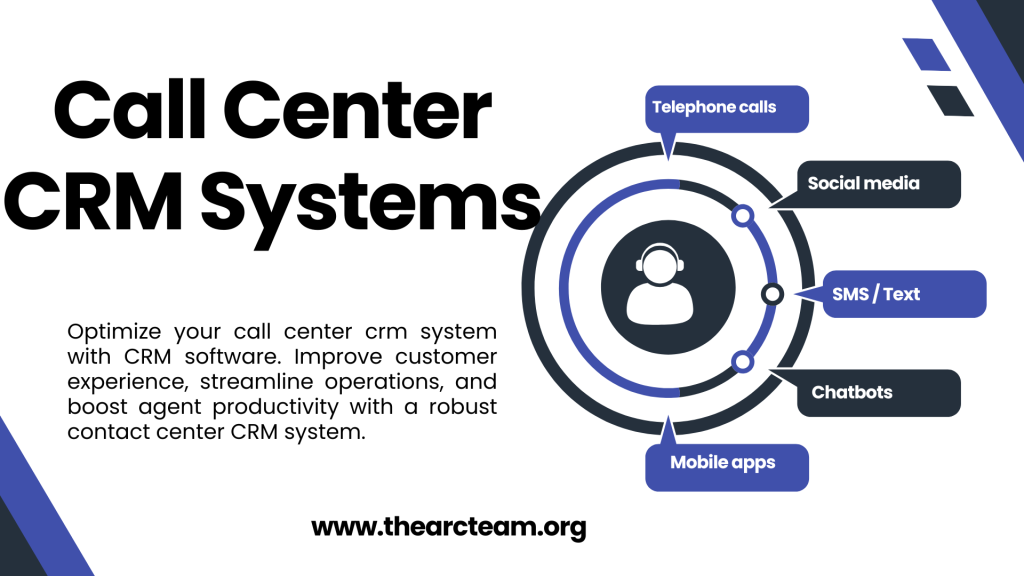
In today’s competitive business landscape, providing exceptional customer service is more important than ever. One of the most effective ways to achieve this is by using call center CRM systems. These systems are designed to improve customer interactions, enhance the customer experience, and streamline call center operations. In this post, we will explore how call center CRM systems can transform the way businesses manage customer relationships, their key features, and how they can be leveraged to deliver the best possible service.
What is a Call Center CRM System?
A call center CRM system is a specialized software tool that helps manage and track interactions with customers across multiple touchpoints. From inbound calls to outbound calls, emails, and even social media, CRM systems provide a centralized platform to manage all customer data and interactions in one place. This enables call center agents to quickly access customer information and provide more personalized service.
The use of a CRM system in a call center allows businesses to handle customer queries more efficiently and provide better overall service, contributing to higher customer satisfaction. By integrating various communication channels into one cohesive system, CRM systems enable businesses to track customer interactions, identify trends, and improve service delivery.
The Power of an All-in-One CRM Solution
An all-in-one CRM solution is one that integrates multiple functionalities into a single platform, providing a comprehensive view of customer interactions. With an all-in-one CRM, businesses can manage everything from customer support tickets, sales inquiries, and call management to customer data and service automation.
These CRM systems are particularly beneficial for call centers as they allow customer service agents to seamlessly handle inbound and outbound calls, emails, chats, and social media communications all from one place. The integrated nature of CRM systems means that agents can quickly switch between tasks without having to use multiple software platforms. This significantly reduces response times, increases agent efficiency, and ultimately contributes to delivering excellent customer service.
Software Allows Call Center Agents to Provide Better Service
One of the most important benefits of CRM software in a call center is that it allows customer service agents to access detailed customer profiles in real-time. When a customer calls in, agents can instantly retrieve relevant information, such as past interactions, previous issues, preferences, and purchase history. This software allows agents to respond faster and more accurately, providing the best customer experience possible.
Additionally, CRM systems can automate routine tasks such as call routing, data entry, and follow-ups, enabling agents to focus on more complex issues. By using call center CRM systems, businesses can improve their customer service efficiency, reduce errors, and ensure that every customer receives the attention they deserve.
Free Trial: A Great Way to Experience the Power of CRM Systems
Many CRM providers offer a free trial of their call center CRM systems. This allows businesses to test out the CRM features and determine whether the software meets their needs before committing to a purchase. During the free trial, businesses can experience firsthand how the system allows customer service agents to interact with customers, manage data, and improve service delivery.
The free trial period is also an excellent opportunity for businesses to assess how well the CRM system integrates with their existing infrastructure and whether it improves their call center operations. Businesses can evaluate CRM call center features such as automated workflows, call management tools, and customer data tracking to determine the system’s effectiveness in enhancing customer satisfaction.
CRM Also Helps Call Centers Improve the Customer Experience
CRM systems play a vital role in helping call centers provide a more personalized, efficient, and customer-centric experience. By integrating all customer communication channels into one platform, CRM also enables agents to deliver tailored support, regardless of how the customer initially reached out.
With features like call scripting, customer interaction tracking, and case management, CRM systems allow businesses to create a seamless, personalized experience for their customers. For example, if a customer has previously contacted support regarding an issue, the call center CRM system will provide the agent with that history, allowing the agent to pick up where the last conversation left off and avoid asking the customer to repeat themselves.
This kind of seamless, informed communication not only improves the customer experience but also builds customer loyalty, which is essential for the long-term success of any business.
Specifically for Call Centers: CRM Tailored to Customer Support
Some CRM solutions are specifically for call centers, meaning they are designed with features tailored to the needs of customer service teams. These systems are optimized to handle high volumes of calls, track customer issues, and enable real-time monitoring of call center performance.
For example, CRM software specifically for call centers may include call management features like automatic call routing to the right agents, real-time dashboards to monitor agent performance, and advanced call center reporting tools. These features help ensure that agents are working efficiently and meeting key performance indicators (KPIs), which in turn improves overall call center efficiency.
Call Management: Efficiently Handling Customer Interactions
Efficient call management is a crucial component of any call center CRM system. CRM systems help manage inbound and outbound calls, ensuring that customers are directed to the right agent and that the entire call center workflow runs smoothly.
With call management tools, CRM systems allow businesses to track each call, record interactions, and ensure that customer inquiries are resolved efficiently. For example, if a customer calls in with a query, call center CRM systems can automatically assign the call to the most suitable agent based on the customer’s profile and the agent’s skills. This improves both customer satisfaction and call center performance.
Integrating Your CRM with Other Business Tools
One of the key advantages of using a CRM system in a call center is its ability to integrate your CRM with other business tools. Whether it’s integrating with email marketing platforms, live chat, or e-commerce systems, CRM systems offer seamless integration to help businesses manage customer interactions across all channels.
For instance, CRM systems may be integrated with marketing automation tools, allowing businesses to collect and use customer data to create personalized offers and enhance the customer experience. Integrating your CRM with your call center software ensures that call center agents have access to the latest customer information, which allows them to respond more effectively to queries and improve overall customer service experiences.
Conclusion
In today’s competitive market, call center CRM systems are essential for businesses looking to provide excellent customer service and enhance the customer experience. By offering a centralized platform for customer data and call management, CRM systems enable call center agents to handle inbound and outbound calls, automate routine tasks, and deliver personalized support efficiently.
Whether you are looking for an all-in-one CRM solution or a CRM system specifically for call centers, businesses can leverage the power of CRM software to improve their call center operations, boost customer satisfaction, and enhance customer service experiences. Start by exploring a free trial and experience firsthand how CRM systems can help transform your call center and drive better results.
Customer Data: The Core of CRM in Call Centers
In call center customer relationship management (CRM), customer data is the foundation that drives all interactions. CRM systems store and manage customer data, such as interaction history, contact information, and previous issues. This data allows call center agents to provide excellent customer service by giving them access to a unified view of customer interactions. The CRM call center helps businesses track each incoming call and ensures customer questions are answered quickly and accurately. With CRM integration, businesses can enhance the customer experience by offering personalized support tailored to the customer’s history and needs.
Contact Center CRM Software: Streamlining Customer Interactions
Contact center CRM software is a powerful software tool that enables businesses to manage customer interactions effectively. By integrating customer data and offering features like call management, CRM software helps streamline the entire process of handling incoming calls, making it easier for call center agents to address customer queries and resolve issues. A powerful call management system can provide real-time support, direct calls to the appropriate agents, and track interactions. With CRM integration, contact center CRM software offers businesses the ability to optimize their call center operations while ensuring excellent customer service every time.
CRM Call Center: Enhancing Performance with Automation
CRM call center solutions provide businesses with the ability to automate key aspects of call management, ensuring that customer interactions are handled efficiently and without delay. Using an agile CRM, businesses can integrate call management with real-time customer data to deliver a more streamlined experience. By automating processes such as call routing and case tracking, CRM systems help customer service agents focus on providing excellent customer service. This leads to customer experience success by ensuring that customer questions are addressed quickly, whether via inbound or outbound calls, without the need to contact customer support repeatedly.
Integrate Your CRM: Unlocking Efficiency in Your Call Center
The ability to integrate your CRM with other business systems is crucial for managing customer interactions efficiently. By linking call center CRM software with tools like email management, chat support, and sales databases, businesses can create a more connected and responsive environment. CRM integration enables call center agents to access relevant customer information within the CRM interface, ensuring that calls are sent to the right agent for faster resolution. This integration enhances customer experience by providing a seamless interaction across different communication channels, improving customer satisfaction and streamlining the workflow.
Call Management: Efficient Solutions for Better Customer Service
Call management is an essential component of a CRM call center solution. It ensures that call center agents can handle inbound and outbound calls efficiently, prioritize customer inquiries, and provide timely solutions. CRM software may include features such as automated call routing, real-time monitoring, and integration with call center software to ensure smooth operation. By utilizing these features, businesses can ensure that every call is handled professionally, without the need for customers to contact support repeatedly. This results in excellent customer service and a positive customer experience. The ability to integrate your CRM into call management also improves agent performance and reduces response times, leading to a more efficient workflow in the call center.
Call Center CRM Systems: Enhancing Customer Experience and Operational Efficiency
In today’s fast-paced business environment, managing customer relationships effectively is key to achieving success, especially for call centers. Call center CRM systems have become indispensable tools that help businesses streamline their call management, improve customer satisfaction, and enhance the overall customer experience. These systems empower call center agents with the tools they need to manage customer data, track interactions, and deliver exceptional service at every point of contact.
This blog post explores the role of call center CRM systems, how they integrate with other tools, and the benefits they provide to businesses seeking to deliver top-tier customer service.
What Are Call Center CRM Systems?
A call center CRM system is a specialized tool designed to manage interactions between businesses and their customers. It provides a centralized platform where customer data is stored, tracked, and analyzed to optimize communication and improve customer experience. By offering a unified view of customer interactions, CRM systems enable call center agents to provide personalized customer service efficiently. These systems integrate with call center software to allow agents to manage both inbound and outbound calls, track customer issues, and respond quickly to customer needs.
Best Call Center CRM Software: Key Features and Benefits
Choosing the best call center CRM software is critical to ensuring that your business operates efficiently while providing exceptional service. The best CRM call center solutions offer a variety of CRM features that streamline call management, enhance customer service, and boost customer satisfaction. Some of the most important features of call center CRM systems include:
- CRM Integration: The ability to integrate your CRM with other tools like call center software, email platforms, and live chat systems allows businesses to maintain a seamless customer journey across different communication channels.
- Advanced Call Center Technology: Many modern CRM systems are integrated with advanced call center technology that provides capabilities such as call routing, real-time call monitoring, and automated customer service.
- Customer Data Management: By offering access to customer data in real-time, CRM systems allow agents to quickly access relevant information, ensuring efficient service and an improved customer experience.
- Automated Call Handling: With features like automated call routing, CRM software enables businesses to handle customer issues more efficiently, ensuring calls are directed to the right agent based on their expertise or previous interactions.
Contact Center CRM: Transforming the Way You Manage Customer Interactions
Contact center CRM systems are the backbone of modern call centers, helping to optimize and manage customer interactions. By integrating CRM with contact center software, businesses gain a powerful tool to handle inbound calls, outbound calls, and support requests seamlessly.
With contact center CRM software, agents can access a unified view of customer interactions, enabling them to quickly resolve issues, track service requests, and provide proactive support. This leads to higher customer engagement, better call management, and improved customer satisfaction. For example, by utilizing a CRM solution that integrates seamlessly with the contact center, businesses can provide customers with a more personalized experience by offering relevant solutions based on previous customer interactions.
Ready to enhance your call center operations and provide exceptional customer service?
Explore the power of Call Center CRM Systems with TheArcTeam.org. Our tailored solutions help streamline call management, boost customer satisfaction, and improve overall customer experience. Contact us today for a personalized consultation and see how our CRM solutions can take your call center to the next level!
How CRM Integration Improves Call Center Performance
The power of CRM integration lies in its ability to bring together all tools and systems used within a call center. By integrating your CRM system with other call center solutions, such as call center software and CRM call center applications, businesses can streamline operations and enhance overall performance. Here’s how CRM integration can improve call center capabilities:
- Efficient Call Routing: Integrated systems allow for smarter call routing, directing customers to the appropriate agents based on their previous interactions and preferences.
- Enhanced Reporting and Analytics: With CRM software tracking customer data, managers can analyze key metrics and identify areas for improvement in call center performance.
- Personalized Service: Integration with customer data gives agents access to a unified view of the customer, enabling them to deliver more personalized customer experiences.
By leveraging the full potential of CRM integration, businesses can improve customer service experiences, increase customer satisfaction, and streamline their call center operations.
Call Center CRM Software Helps Improve Customer Experience
Call center CRM software is not just about managing calls—it’s about delivering exceptional customer service and enhancing customer experiences. The software provides a unified view of customer interactions, allowing agents to resolve issues faster and respond more effectively to customer needs.
For example, CRM call center software enables call center agents to view customer information instantly, whether the customer is calling about a previous issue, asking about an order, or seeking technical support. This immediate access to relevant data helps agents provide faster, more informed responses, leading to higher customer satisfaction and loyalty.
Call Center Software: Key Components of an Effective CRM Solution
The most effective call center CRM systems are built on call center software that includes essential components designed to improve customer service. Key features include:
- Call Monitoring: Supervisors can use call center software to track call quality in real-time, providing valuable insights that can improve both agent performance and customer interactions.
- CRM Automation: Many CRM solutions come with automation capabilities that help manage customer interactions without the need for manual input, freeing up agents to focus on more complex queries.
- Call Recording and Analysis: Call center CRM systems often include features to record calls and analyze them for training purposes or to ensure compliance with company policies.
By using CRM software with these advanced call center capabilities, businesses can improve both the quality and efficiency of their customer service.
Improving Customer Satisfaction with CRM Solutions
One of the most significant benefits of CRM call center software is its ability to enhance customer satisfaction. By providing call center agents with quick access to customer information, CRM systems enable them to handle customer issues promptly and with a higher level of accuracy.
In addition, CRM solutions help companies track customer interaction history, giving them insights into past interactions, preferences, and issues. This information empowers agents to deliver a more personalized customer experience, which is essential in improving customer satisfaction.
CRM Software Features That Help Manage Customer Interactions
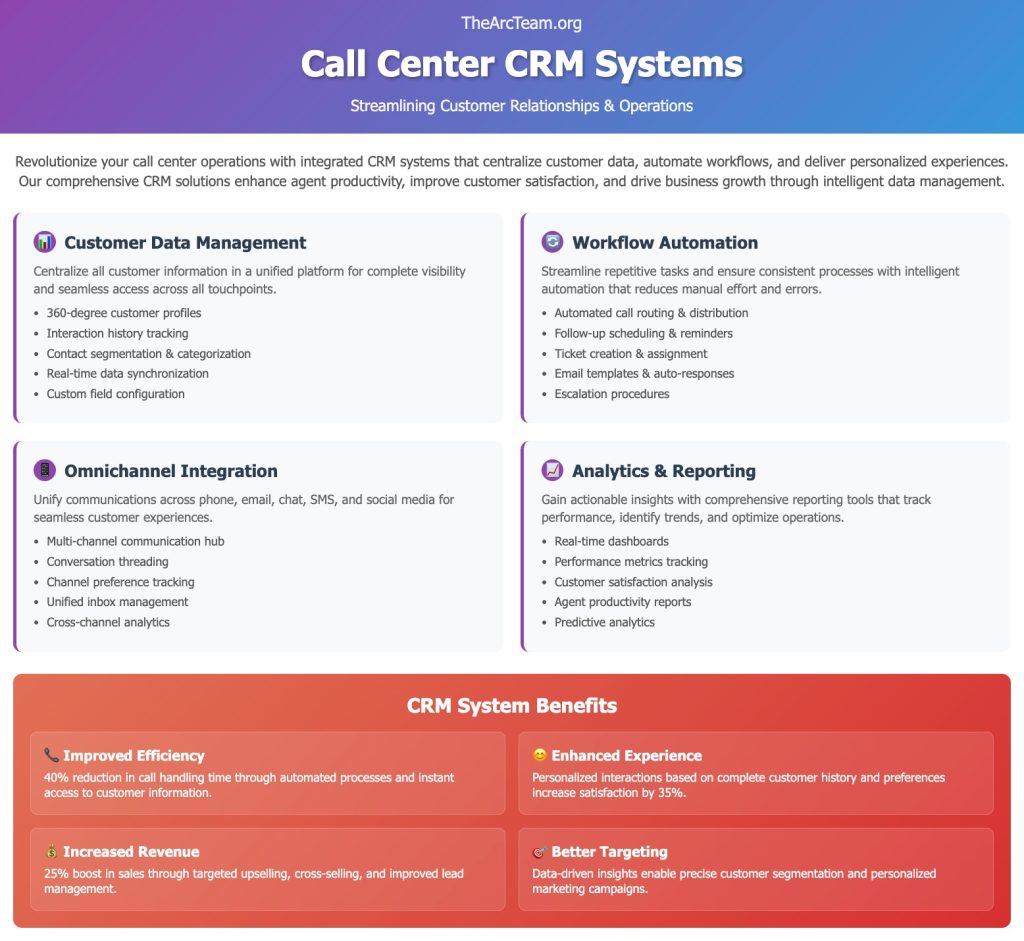
Effective call center CRM systems come with features that help manage customer interactions in an efficient and organized manner. Some of these features include:
- Call Management: The ability to manage inbound and outbound calls effectively is essential for any call center solution. CRM software helps direct calls to the appropriate agent and ensures that customer interactions are tracked in real time.
- Case Management: CRM systems allow for easy tracking of customer inquiries, issues, and cases from the initial contact to resolution, ensuring that no customer is left behind.
- Customer Engagement: Through CRM integration, businesses can provide customers with personalized service, increasing engagement and improving overall customer satisfaction.
With these features, businesses can ensure that every call is handled efficiently, resulting in a seamless customer experience.
Why CRM Systems Are Essential for Call Centers
CRM systems are essential for contact centers as they provide a centralized solution for managing customer interactions. From call management to customer data storage, these systems improve customer service experiences and agent performance. By integrating your CRM with call center software, businesses can ensure a more efficient, personalized, and streamlined approach to handling customer inquiries.
Whether through real-time coaching, call routing, or customer service automation, CRM systems allow call centers to improve customer satisfaction, reduce costs, and enhance agent performance.
In conclusion, call center CRM systems are critical to providing a high level of customer experience and operational efficiency. By integrating CRM with call center software, businesses can enhance their ability to manage customer interactions, provide tailored support, and drive customer satisfaction. Investing in the best call center CRM software ensures that call center agents are equipped to deliver the best possible service while also boosting the performance of the entire operation.
FAQs about Call Center CRM Systems Software: Call Center CRM Software
What CRM Do Call Centers Use?
Call centers typically use customer relationship management (CRM) software to manage and enhance customer interactions. The CRM platform allows call center agents to access relevant customer data quickly, improving their ability to respond to customer needs and enhancing customer service. Popular CRM solutions used in call centers include cloud-based contact center solutions, which offer CRM integration with features like call management, call routing, and case management. CRM software helps automate tasks, such as logging call recordings and tracking customer interactions, enabling call center agents to deliver personalized customer experiences and improve customer satisfaction.
What Are the 4 Types of CRM Systems?
There are four main types of CRM systems used across businesses:
- Operational CRM: This type focuses on automating and improving customer service functions such as call management, call center software, and contact center solutions. It helps call center agents streamline customer interactions, manage customer data, and improve the customer journey.
- Analytical CRM: This CRM system is focused on analyzing customer information to help businesses better understand customer needs and behavior. It provides customer data management and tools for tracking interaction history, which can be used to improve customer engagement.
- Collaborative CRM: This system is designed to help customer service reps collaborate across different channels, such as call center and sales teams. It helps manage customer interactions by integrating tools for communication and sharing customer data to provide a more unified experience.
- Strategic CRM: This type of CRM is focused on creating long-term customer relationships by using the data collected from interactions to tailor marketing, sales, and support to specific customer segments. CRM software in this category helps businesses maintain a personalized customer experience and enhances customer satisfaction.
What Is a CRM System for Customer Service?
A CRM system for customer service is a specialized CRM application designed to improve customer interactions by providing call center agents with the tools to manage customer inquiries efficiently. The CRM platform enables customer support reps to have access to relevant customer information, such as call scripts, customer history, and case management. CRM software for customer service allows agents to automate tasks like call monitoring, ticket tracking, and providing tailored responses, which leads to a better customer experience and improved customer satisfaction. This system helps call center agents provide more effective and personalized customer support by giving them a unified view of the customer’s needs and previous interactions.
What Is Call Center Management in CRM?
Call center management in CRM refers to the use of CRM software to oversee and optimize the performance of call center agents and their interactions with customers. It involves managing customer data, tracking call center metrics, and ensuring customer satisfaction through effective CRM integration. Call center CRM software enables managers to oversee call routing, call recordings, and agent performance, ensuring that agents are following the right processes and offering personalized service. It also provides real-time coaching, and helps with customer service automation and tracking the customer journey. CRM for call center management ensures that every customer interaction is properly logged and evaluated, providing businesses with the data needed to continually improve customer experience and call center performance.

