

Call Center Coaching: Enhancing Agent Performance and Customer Experience
In the fast-paced world of call centers, call center coaching plays a pivotal role in improving both agent performance and the overall customer experience. It’s a dynamic process that helps call center agents enhance their skills, align with company goals, and handle various types of calls effectively. Whether you’re managing a small customer support team or a large-scale contact center, effective call coaching is essential for driving productivity, maintaining quality, and ensuring high customer satisfaction.
In this blog post, we’ll dive into what call center coaching is, its benefits, tools, and how it can help agents reach their full potential while enhancing the customer experience. We will also explore different coaching approaches, the role of call center coaching software, and how managers can leverage these tools to provide real-time, tailored support to their agents.
What is Call Center Coaching?
Call center coaching refers to the process of providing feedback and guidance to call center agents to improve their performance. The goal is to help agents develop the skills they need to deliver effective calls and provide excellent service to customers. This process involves evaluating agent performance, offering positive feedback, identifying areas for improvement, and providing the necessary training to help agents enhance their skills.
Whether it’s through real-time call coaching or virtual coaching sessions, the key to effective call center coaching lies in understanding the needs of the agent and the customer. Coaching programs are designed to provide agents with the tools and techniques they need to meet and exceed expectations.
Contact Center: The Heart of Customer Service
A contact center is a centralized hub where companies manage and facilitate customer interactions. This includes inbound calls, outbound calls, emails, live chats, and even social media interactions. In this environment, call center agents are at the forefront of handling customer inquiries, resolving issues, and offering solutions.
Effective contact center agent coaching ensures that agents are well-prepared to handle various types of calls, from routine inquiries to complex issues that require problem-solving skills. The key to success in a contact center is having a strong foundation of training and continuous improvement through coaching to improve call quality and ensure customer satisfaction.
Call Center Coaching Software: Enhancing the Coaching Process
To streamline and enhance the coaching process, many call centers rely on call center coaching software. These tools provide managers with the ability to monitor agent performance, track progress, and provide feedback efficiently. They can also automate certain aspects of the coaching workflow, such as call monitoring and real-time coaching.
Call center coaching software is particularly useful for large teams, allowing for automated coaching, which helps deliver consistent feedback and support to agents. With these tools, managers can access call recordings, monitor agent performance in real-time, and offer personalized coaching based on the agent’s individual needs.
Benefits of Call Center Coaching
The benefits of call center coaching are numerous, especially when it comes to enhancing agent performance and improving customer interactions. Some key benefits include:
- Improved Customer Experience: Regular coaching helps agents fine-tune their communication and problem-solving skills, leading to better customer interactions and higher customer satisfaction.
- Increased Employee Engagement: When agents receive tailored feedback and guidance, they feel valued and are more motivated to excel in their roles.
- Enhanced Performance: By focusing on specific areas of improvement, coaching helps agents increase their productivity and deliver higher-quality work.
- Consistent Quality: Through effective coaching tools and software, managers can ensure that agents are consistently meeting call center performance standards.
Types of Calls and Coaching Approaches
There are various types of calls in a call center that require different coaching approaches. Some calls might be simple inquiries, while others might involve complex troubleshooting or conflict resolution. The type of coaching an agent requires often depends on the nature of the call and the challenges it presents.
- Inquiries: For agents handling simple inquiries, the focus of call coaching is on customer service skills, knowledge of products, and speed of response.
- Technical Support Calls: For more complex calls, coaching in a call center involves in-depth training on the product or service, along with problem-solving and troubleshooting techniques.
- Complaint Handling: Agents dealing with dissatisfied customers require coaching on how to stay calm, demonstrate empathy, and resolve issues effectively while maintaining customer satisfaction.
Coaching approaches should be tailored to the specific needs of the call type and the individual agent’s skills and performance. Coaching in a call center should be flexible and adaptive to different situations to ensure effective call center coaching.
Looking for top-notch customer service that truly makes a difference?
Hire a Customer Service Representative with TheArcTeam.org today! Our skilled and experienced representatives are ready to provide exceptional support, ensuring your customers receive the best experience. Get in touch now to elevate your customer service and enhance client satisfaction!
Effective Coaching: The Key to Success
Effective call center coaching focuses on providing agents with the necessary skills and resources to improve their call center performance. This involves using coaching tools such as real-time coaching to monitor and provide immediate feedback, post-call coaching for analysis, and one-on-one coaching sessions to help agents address specific challenges.
Coaching call center agents also involves ongoing quality management and tracking progress against key performance metrics. Call center managers should develop coaching strategies that address individual agent needs, fostering continuous improvement and creating a supportive environment for growth.
Coaching Tools and Techniques
Several coaching tools and techniques are available to help contact center managers deliver effective coaching:
- Call Monitoring: This tool allows managers to review call recordings to assess agent performance and provide targeted feedback.
- Coaching Software: With call center coaching software, managers can track agent performance, offer real-time feedback, and automate routine coaching processes.
- AI Coaching: AI coaching can assist in identifying performance gaps and providing real-time suggestions to agents during their calls, improving both agent performance and customer experience.
Coaching software can also help track coaching progress, assess whether the coaching process is improving agent performance, and make necessary adjustments to the coaching plan.
Call Center Coaching Tools: Enhancing Agent Development
Call center coaching tools are essential for streamlining the coaching process and improving agent performance. These tools allow call center managers to track and monitor agent performance in real-time. They also provide the necessary feedback to coaching in a call center, making it easier to identify coaching opportunities and tailor coaching strategies to individual needs. Call center coaching tools such as call monitoring software help managers evaluate call quality, give negative feedback constructively, and offer continuous support to call center agents.
Some coaching tools also offer training materials that help agents improve their skills, ensuring that agents have access to ongoing development and support.
Center Software: Integrating Coaching into Your Operations
Center software plays a vital role in the success of a call center’s coaching process. With center software, managers can track agent performance, listen to call recordings, and schedule coaching sessions to address areas needing improvement. By leveraging call center software, coaches can create personalized development plans for their agents, ensuring that their coaching experience is tailored to each agent’s needs and growth.
Call center software also supports real-time feedback, allowing managers to deliver coaching in a call center setting that helps agents improve their skills and job satisfaction.
Coaching in a Call Center: The Power of Real-Time Feedback
Coaching in a call center is about more than just post-call evaluations. Coaching in a call center involves ongoing support, real-time coaching, and frequent check-ins to ensure agents are meeting key performance indicators (KPIs) and delivering excellent customer service. With tools like real-time coaching software, managers can provide immediate feedback during customer interactions, which helps agents improve their call center performance on the spot.
Real-time coaching is essential for handling negative feedback effectively and constructively. Rather than waiting for a post-call review, agents receive feedback during the call, allowing for immediate improvement and ensuring that customer interactions meet high-quality standards.
Coaching Experience: Enhancing the Effectiveness of Coaching Sessions
The coaching experience should be personalized to ensure that agents receive the necessary tools and knowledge to succeed in their roles. In a call center, the coaching process is typically broken into various segments, including one-on-one coaching, group coaching sessions, and real-time coaching. Each of these coaching methods serves different purposes, such as improving specific skills, addressing negative feedback, and delivering coaching on areas like call quality, customer satisfaction, and problem-solving.
A successful coaching experience relies on the coach’s ability to provide constructive feedback, guide agents through challenges, and motivate them to improve. With training materials, such as virtual call center courses and coaching software, managers can enhance the coaching experience, allowing agents to access resources that support their ongoing development.
Great Call Center Coaching: Essential for Business Success
Great call center coaching is a fundamental aspect of any successful customer support strategy. By leveraging call center coaching tools and center software, managers can continuously assess agent performance, pinpoint areas of improvement, and offer support to call center agents. Great coaching includes delivering coaching in a way that motivates agents, helps them grow, and drives long-term success in the contact center.
The approach to coaching should be adaptable, ensuring that it fits the specific needs of each agent. For example, agents handling routine customer service calls may require a different approach than those who are tasked with technical support or sales. Great call center coaching involves understanding these differences and tailoring coaching efforts to match the agent’s role and responsibilities.
Coaching Can Also: A Multifaceted Approach to Agent Development
Coaching can also involve more than just feedback. It includes ongoing development opportunities such as virtual call center courses that focus on improving customer interactions, call quality, and specific skills like problem-solving and time management. In addition, coaching can also help call center managers create a cohesive team, manage performance challenges, and foster a positive working environment.
Through consistent feedback and coaching tools, managers help agents thrive, enhance customer satisfaction, and improve contact center performance.
Types of Contact Center: Different Approaches to Coaching
There are various types of contact center, including in-house call centers, outsourced contact centers, and virtual contact centers. Each type requires a different coaching approach to meet the unique challenges they face. For instance, agents in virtual call centers may benefit from virtual coaching, as they do not have direct access to an in-office coach. In contrast, in-house call centers may be able to provide more face-to-face coaching, but they can also benefit from real-time call coaching tools and call monitoring to provide instant feedback.
Understanding the types of contact center and adapting coaching strategies to these environments ensures that coaching is effective and agent performance remains high.
Leverage Call Center Coaching Tools for Maximum Impact
To maximize the impact of coaching in a call center, it’s essential to leverage call center coaching tools that offer real-time feedback, call monitoring, and performance tracking. Call center managers can use these tools to identify areas where call center agents need improvement and provide tailored support. Using coaching software also ensures consistency and enables managers to monitor agent progress across multiple metrics, such as call quality and customer experience.
By leveraging call center coaching tools, managers can ensure that agents receive the support they need to excel, improve their performance, and enhance the customer experience.
Coaching Their Agents: A Continuous Journey of Improvement
The success of a call center is heavily dependent on coaching their agents. Managers must continuously track agent performance, offer actionable feedback, and help agents develop their skills. Whether it’s through one-on-one coaching sessions, real-time coaching, or virtual coaching, coaching their agents is essential for maintaining high standards of call center performance and customer service.
By coaching their agents, call center managers ensure that agents are not only equipped with the skills necessary to perform their job but are also motivated to continue improving and delivering exceptional customer service.
Support to Call Center Agents: The Foundation of Great Coaching
Providing ongoing support to call center agents is the foundation of effective coaching in a call center. This support comes in the form of real-time feedback, coaching tools, and training materials that help agents improve their performance. With the right resources, agents can develop their skills and handle a variety of customer interactions, whether it’s resolving complex issues or managing high call volumes.
Effective support to call center agents ensures that coaching efforts lead to positive agent performance and contribute to the overall success of the contact center. By offering consistent guidance, managers help agents achieve coaching success and elevate the customer experience.
Helps Contact Center Supervisors: Maximizing Coaching Success
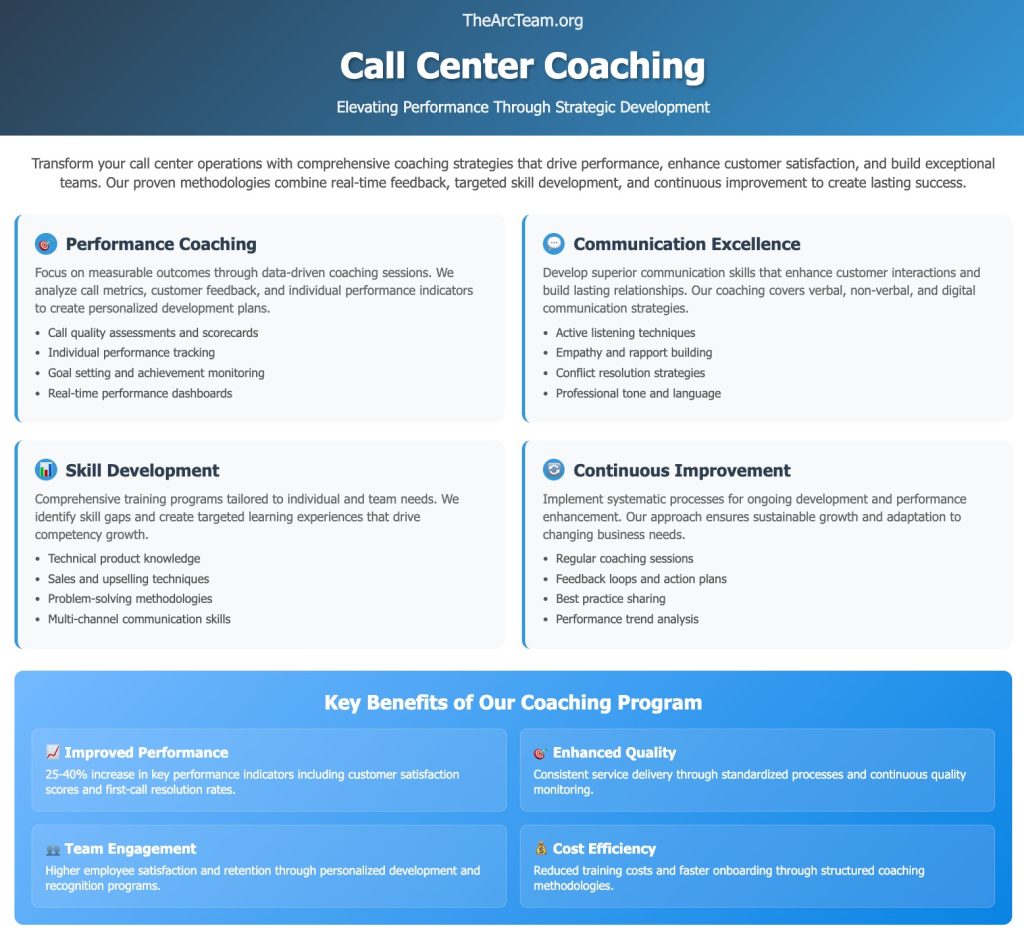
Coaching helps contact center supervisors by providing a structured way to monitor, assess, and improve agent performance. With the right coaching tools, supervisors can easily track agent performance, identify areas of improvement, and provide personalized coaching to each agent. This structured approach helps supervisors manage their team more effectively, ensuring that the entire contact center runs smoothly and that agents have the support they need to perform at their best.
Through effective coaching, contact center managers can transform your contact center, ensuring that every agent is equipped with the tools they need to succeed. This structured, supportive coaching environment leads to coaching success, resulting in higher customer satisfaction and improved call center performance.
In conclusion, call center coaching is an integral part of maintaining high performance, improving agent skills, and enhancing the customer experience. By using the right coaching tools, providing personalized coaching, and creating a supportive coaching workflow, call center managers can ensure that their teams are prepared to handle any customer interaction with professionalism and efficiency.
Effective Call Center Coaching Process: Guiding Call Center Agents to Success
The coaching process involves several stages, from identifying coaching opportunities to providing feedback and monitoring improvement. Successful coaching requires continuous involvement from managers and regular coaching sessions.
- Tracking Progress: Coaching success is dependent on tracking agent performance over time and assessing whether coaching goals are being met.
- Tailored Coaching: Coaching in a call center should be personalized to address the specific needs of each agent, ensuring that feedback is relevant and actionable.
- Feedback Loop: Consistent feedback and quality assessments allow managers to adjust their coaching strategies and provide targeted coaching that leads to sustained improvement.
Coaching Approaches for Call Center Managers
Different coaching approaches can be employed depending on the needs of the call center agent. Some managers prefer group coaching sessions, which allow agents to learn from one another and share experiences, while others opt for more personalized one-on-one coaching to address individual performance issues.
In modern contact centers, virtual coaching and AI-driven coaching tools are becoming more common, allowing managers to coaching remotely and provide real-time support to agents across various locations. This virtual coaching option helps managers transform your contact center by enhancing accessibility and fostering consistent training practices, even in large, distributed teams.
In conclusion, call center coaching is a critical process that helps improve agent performance, enhance customer satisfaction, and support long-term success in contact centers. By using a combination of coaching software, real-time coaching, and tailored coaching strategies, managers can guide their agents toward coaching success and create a more effective and efficient call center environment.
FAQs about Call Center Coaching: Techniques & Tips to Coach Agents Better
What is Call Center Coaching?
Call center coaching refers to the process of providing guidance to agents to help them improve their performance in a contact center environment. This can include real-time coaching during customer interactions, post-call coaching, and one-on-one coaching sessions. Through effective call center leadership training and personalized coaching plans, supervisors can help agents enhance their customer service coaching, improve customer satisfaction, and boost overall call center performance. Call center coaching software and call monitoring tools are often used to track and evaluate agent performance during coaching opportunities.
What Are the 3 C’s in the Call Center?
The 3 C’s in the call center typically refer to Customer, Communication, and Coaching. Customer experience and customer satisfaction are at the core of any call center operation, while communication between agents and customers plays a critical role in ensuring positive outcomes. Coaching, through targeted coaching and personalized coaching strategies, helps call center agents improve customer interactions. By implementing effective coaching and using tools like call center software, supervisors can monitor agent performance and provide the coaching support needed to meet best practices.
What Are the 7 Important Call Center Skills Every Agent Should Have?
- Customer Service: Agents must have excellent customer service coaching to engage with customers positively and effectively.
- Communication Skills: Clear communication is essential for handling customer inquiries and solving problems.
- Problem Solving: Effective call center coaching ensures agents develop strong problem-solving skills.
- Active Listening: Training agents to actively listen helps improve customer interactions and resolves issues faster.
- Empathy: Coaching agents to show empathy improves the customer experience.
- Multitasking: The ability to manage multiple tasks at once is a key skill in a busy call center environment.
- Time Management: Call center agents must be able to handle high call volumes efficiently, and coaching tools help agents manage their time better.
What Are the 5 Basic Elements of a Coaching Session?
The 5 basic elements of a coaching session are:
- Assessment: Reviewing call recordings or live interactions to evaluate agent performance.
- Feedback: Offering constructive feedback to agents, including both positive and areas for improvement.
- Goal Setting: Setting specific coaching targets and measurable goals, tailored to call center agents.
- Action Plan: Developing a clear coaching strategy that outlines steps for agents to enhance their performance.
- Follow-up: Tracking coaching progress through call center coaching software and scheduling one-on-one coaching sessions to monitor improvement.

